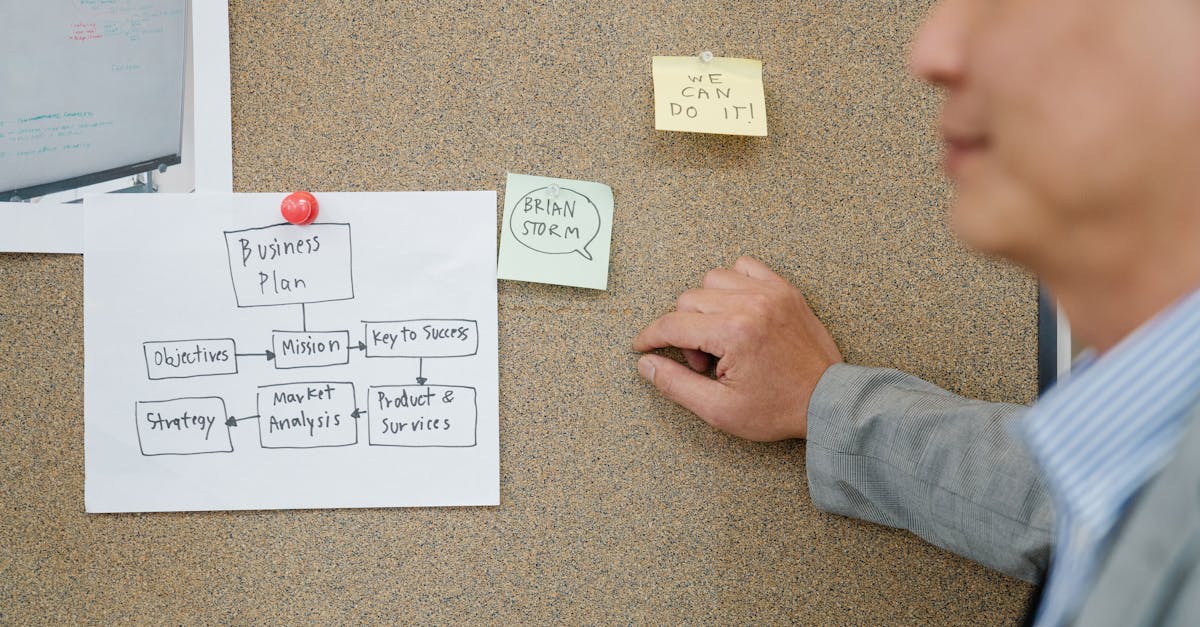
The Ultimate Guide To Business Planning: Why You Actually Need One
Have you ever tried to drive across the country without a map or a GPS? You might eventually reach your destination, but you will definitely waste a lot of fuel, time, and sanity getting there. Building a business is exactly the same. Without a business plan, you are essentially driving blindfolded through a highway full of traffic. Many entrepreneurs view planning as a tedious chore, a dusty document that sits on a shelf to satisfy bank lenders. But in reality, your business plan is your roadmap to success. It is the compass that guides you through stormy weather and helps you navigate the rocky terrain of entrepreneurship.
What Is Business Planning Really?
Think of business planning as the process of turning a fleeting idea into a concrete, actionable reality. It is not just about writing down your goals; it is about pressure testing your assumptions. When you put pen to paper, you are forced to ask yourself the hard questions. How will I make money? Who is my ideal customer? What happens if my primary supplier goes out of business? Planning is the art of strategic foresight. It is about understanding the landscape before you take the leap.
Why Do You Need A Plan Anyway?
You might be thinking, but my business is small and agile, do I really need a formal document? The answer is a resounding yes. A plan does not have to be a hundred-page legal document. It can be a lean startup plan that focuses on the essentials. You need a plan because it aligns your vision with your daily actions. It keeps your team on the same page and helps you make decisions based on data rather than gut feelings. It is your ultimate filter for distractions. If an opportunity arises that doesn’t fit into your plan, you know exactly when to say no.
The Anatomy Of A Business Plan
A great business plan is like a living organism. It needs a strong foundation to support its weight. While every business is unique, there are standard components that every investor, mentor, and bank expects to see. Let us break down these parts piece by piece so you can build something that actually serves your growth.
Crafting An Irresistible Executive Summary
The executive summary is the movie trailer for your business. Most readers will decide whether they want to engage with your business based solely on this section. It needs to be punchy, exciting, and extremely clear. Even though it appears at the start of your document, write it last. Summarize your mission, your product, and why your business is destined to win. Keep it under two pages and focus on the hook.
Defining Your Company Description And Mission
This is where you define your DNA. Who are you, and why do you exist? Beyond the standard “we sell X products,” tell your story. What problem are you solving for the world? Your mission statement should be the heartbeat of your company. It is what keeps you motivated on the days when things aren’t going quite right. Define your legal structure, your location, and the specific needs you are filling in the marketplace.
Diving Deep Into Market Analysis
You cannot win a game if you do not understand the rules. Market analysis is where you prove that your business is not just a pipe dream. You need to gather data. Use tools like Google Trends, industry reports, and surveys. Who exactly is your customer? Do not say “everyone.” If you target everyone, you target no one. Define your persona with extreme precision. What are their pain points? What keeps them up at night?
Understanding Your Competitive Landscape
Do you have competitors? Good. It means there is a market for your product. Now, how will you beat them? You need to perform a SWOT analysis. Identify your strengths, weaknesses, opportunities, and threats. Are your competitors slow to innovate? Is their customer service lacking? Find the crack in their armor and use it to your advantage. Your plan should clearly articulate why a customer would choose you over the guy next door.
Organization And Management Structure
Investors often bet on the jockey rather than the horse. You need to show that you have the right team to execute your vision. Even if you are a solopreneur, outline the roles that need to be filled as you grow. Who handles finances? Who deals with marketing? Creating an organizational chart early helps you visualize the company you are building, rather than just the company you are today.
Detailing Your Product Or Service Line
This section is where you get into the weeds of what you are actually selling. Do not just list features. Focus on the benefits. A customer does not buy a drill because they want a drill; they buy it because they want a hole in the wall. Explain the lifecycle of your product, your intellectual property status, and your R and D plans. Keep it simple enough for a layperson to understand but detailed enough to show expertise.
Developing A Killer Marketing And Sales Strategy
You can have the best product in the world, but it won’t matter if nobody knows it exists. Your marketing strategy should cover how you will penetrate the market, how you will price your products, and how you will distribute them. Are you going for a direct to consumer approach or wholesale? Will you focus on content marketing or paid ads? Be specific about your customer acquisition costs and your lifetime value projections.
Financial Projections: The Numbers That Matter
This is the part where most entrepreneurs start sweating, but it is the most critical section. You need an income statement, a cash flow statement, and a balance sheet. Do not make up numbers. Use historical data if you have it, or industry benchmarks if you are a startup. If you are showing a loss in the first year, explain why and when you expect to become profitable. Accuracy is key here because this is where your credibility lives or dies.
Navigating Funding Requests
If you are looking for outside money, be very clear about what you need and what you will do with it. Don’t just ask for a lump sum. Break it down into categories like equipment, marketing, and working capital. Show how this investment will directly translate into revenue growth. Remember, you are selling a partnership, not just asking for a handout.
Avoiding Common Business Planning Pitfalls
One of the biggest mistakes people make is being overly optimistic. Don’t assume that you will capture 10 percent of the market in your first year. Be conservative. Another trap is failing to account for overhead costs. People always underestimate how much things cost and how long things take. Give yourself a buffer. Finally, never treat the plan as a static document. If the market shifts, your plan should shift with it.
Business Planning As An Iterative Process
The best business plans are never finished. They evolve as your business learns from the real world. Schedule a time once a quarter to review your plan against your actual results. Are you hitting your milestones? If not, why? Adjust your strategy based on the feedback you receive from the market. This flexibility is what separates successful entrepreneurs from those who eventually have to close their doors.
Conclusion
Business planning is not just about paperwork; it is a mindset. It is about taking full responsibility for your business’s future by preparing for the unexpected and staying focused on your goals. While the process requires effort and deep thought, the clarity it provides is priceless. Start small if you have to, but start. Your business deserves a roadmap, and you deserve the confidence that comes with knowing exactly where you are heading.
Frequently Asked Questions
1. How long should my business plan be?
There is no magic number, but for most startups, 15 to 25 pages is sufficient. If you are looking for venture capital, you might need something more comprehensive, but focus on quality over quantity.
2. How often should I update my business plan?
You should review your business plan at least once a quarter. Markets change, technology evolves, and your internal goals might shift, so keeping the document current is vital.
3. Do I need a professional to write my business plan?
You definitely don’t need to hire someone. In fact, writing it yourself is better because it forces you to understand every aspect of your business. If you are stuck, there are plenty of free templates available online.
4. What is the most important part of the business plan?
While all sections are important, the financial section and the executive summary are usually the first things people look at. If the numbers don’t make sense, the rest of the plan loses its credibility.
5. Can a business plan help me if I don’t need funding?
Absolutely. A plan helps you organize your thoughts, identify potential challenges before they happen, and stay focused on your long term objectives, which is essential whether you are bootstrapping or seeking external investment.